
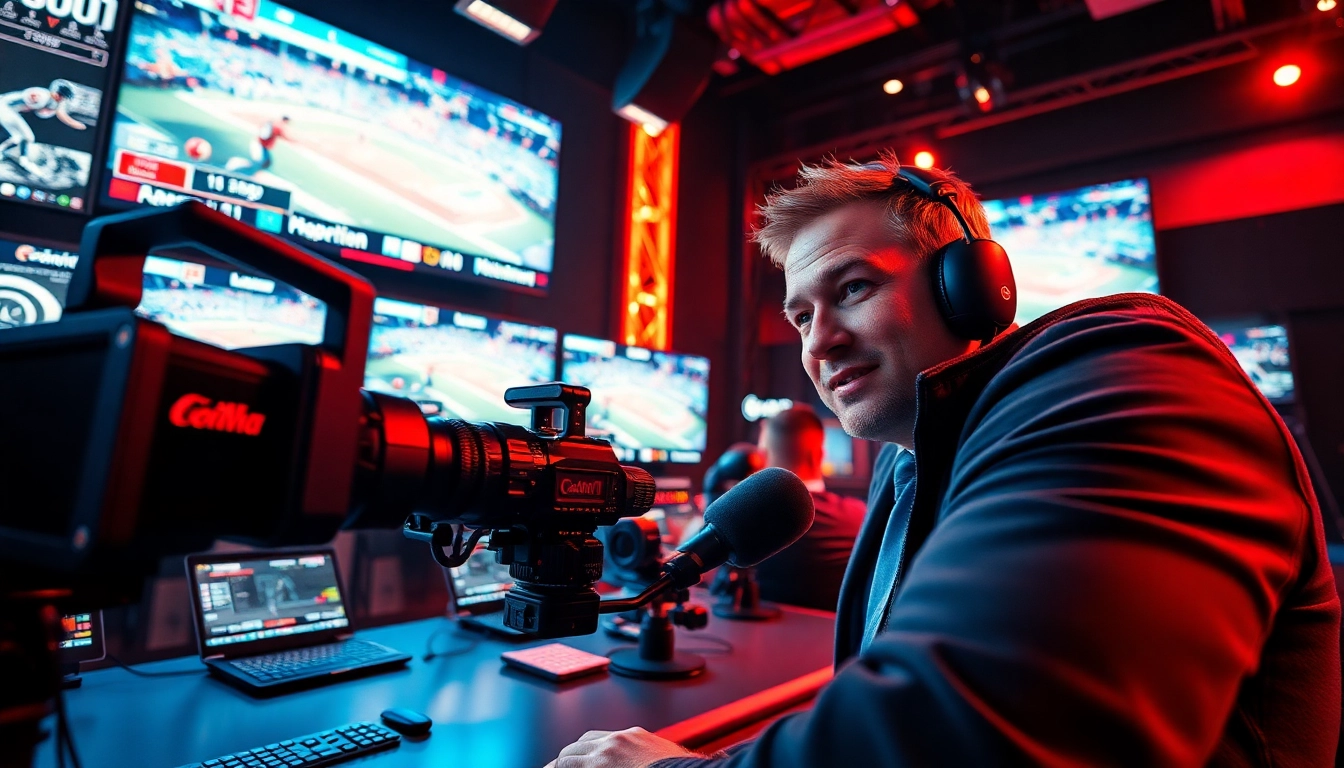
Understanding the Landscape of Sports Broadcasting
Introduction to Sports Broadcasting Challenges
The world of Sports Broadcasting is dynamic, filled with numerous challenges that require both creativity and technical expertise. As a broadcaster, one must navigate the complexities of live coverage, instant audience feedback, and the ever-evolving technologies at play. Challenges include managing fast-paced events, ensuring high-quality delivery, addressing diverse audience expectations, and competing for viewers’ attention amid a plethora of entertainment options. The convergence of traditional broadcasting with digital platforms necessitates constant adaptation and innovation to maintain viewer engagement.
Key Technologies in Sports Broadcasting
Modern sports broadcasting leverages advanced technologies to enhance viewer experience and streamline production processes. Some of the key technologies include:
- High-definition Cameras: These capture stunning visuals that bring sports events to life, making viewers feel as if they are part of the action.
- Live Streaming Software: Platforms such as OBS and vMix facilitate seamless broadcasting over the internet, allowing for real-time viewer interaction.
- Analytics and Data Visualization Tools: These enable broadcasters to analyze viewer behavior and optimize content delivery based on performance metrics.
- Virtual and Augmented Reality: These immersive technologies provide fans with unique viewing experiences, including interactive replays and virtual stadium tours.
The Future of Sports Broadcasting Trends
As technology advances, so do the trends in sports broadcasting. Key future trends include:
- Increased Personalization: Broadcasters are focusing on delivering tailored content that caters to individual viewer preferences, enhancing engagement and loyalty.
- Interactive Experiences: With the rise of mobile devices, fans expect to engage actively during broadcasts through voting, live chats, and social media interactions.
- Sustainability Initiatives: As the industry faces scrutiny for its environmental impact, sustainable practices are being prioritized, including eco-friendly production techniques.
- Globalization of Sports Content: Broadcasters are expanding their reach into international markets, promoting localized content to cater to diverse audiences.
Essential Skills for Sports Broadcasting Professionals
Communication and Presentation Skills
At the heart of successful sports broadcasting are exceptional communication and presentation skills. Broadcasters must convey information clearly and engagingly while exhibiting strong verbal and non-verbal communication techniques. Understanding audience demographics and preferences is crucial for tailoring content that resonates. Effective storytelling, combined with a charismatic presence, increases the likelihood of retaining viewer interest throughout the broadcast.
Technical Proficiency in Broadcasting Tools
In the fast-paced environment of sports broadcasting, technical proficiency is essential. Broadcasters should familiarize themselves with various tools and technologies, including camera systems, editing software, and live streaming platforms. Adeptness in handling equipment under pressure—like troubleshooting technical issues on the fly—can differentiate successful broadcasters from the competition. Continuous education on emerging technologies ensures they stay ahead in this competitive field.
Research Skills and Audience Understanding
Thorough research skills are vital for sports broadcasters to deliver factual, engaging, and insightful commentary. Professionals must stay updated on team statistics, player biographies, and historical context while understanding broader trends in sports. Audience understanding is equally critical; broadcasters should analyze viewer feedback and metrics to refine content and presentation style. Engaging directly with the community through social media or focus groups can further enhance understanding and connection.
Building Your Brand in Sports Broadcasting
Creating a Unique Broadcasting Persona
A successful sports broadcaster establishes a recognizable personal brand that reflects authenticity. Creating a unique broadcasting persona involves identifying core values, emphasizing strengths, and communicating passions. Authenticity resonates with audiences; hence, staying true to one’s voice and style fosters trust and loyalty. This persona becomes the foundation upon which further brand-building activities, such as social media engagement and networking, are built.
Leveraging Social Media for Brand Growth
Social media platforms serve as powerful tools for sports broadcasters to connect with audiences and promote their brand. Regularly sharing insights, behind-the-scenes content, and personal commentary allows broadcasters to cultivate a loyal following. Consistency in content presentation across different platforms increases recognition while engaging actively with fans and responding to comments can build community spirit. Integrating multimedia elements, like videos and infographics, can enhance engagement further.
Networking with Industry Professionals
Networking is fundamental in sports broadcasting, opening doors to collaboration and career advancement opportunities. Attending industry events, joining professional associations, and utilizing platforms like LinkedIn can foster valuable connections. Building relationships with fellow broadcasters, producers, and sports executives can lead to mentorship opportunities, partnerships, and valuable insights into the latest industry trends. Additionally, creating networking content—like podcasts or interviews—can position broadcasters as thought leaders in the field.
Content Creation Strategies for Sports Broadcasting
Engaging Content Formats for Sports Audiences
Diverse content formats enhance viewer engagement and retention in sports broadcasting. Broadcasters should explore innovative formats like:
- Highlight Reels: Short, dynamic videos that capture key moments can captivate audiences and drive social media shares.
- Interviews: Engaging discussions with athletes, coaches, or experts provide deeper insights and foster viewer connection.
- Live Blogging: Real-time commentary during events keeps fans engaged and allows for instant feedback.
- Podcasts and Webinars: In-depth discussions on specific topics can attract niche audiences and create loyal follower bases.
Balancing Authenticity with Entertainment
While entertainment value is crucial in sports broadcasting, maintaining authenticity is equally important. Broadcasters should strive to present content that aligns with their unique perspective while entertaining audiences. Balancing these elements leads to storytelling that resonates on multiple levels. Engaging flow, humor, and heartfelt moments can create a captivating viewing experience without sacrificing authenticity, thus enhancing audience loyalty.
Cross-Platform Content Distribution Best Practices
Effective cross-platform distribution requires a strategic approach to maximize reach and engagement. Broadcasters should tailor content formats to suit different platforms—what works on Instagram may not be effective on Twitter. Implementing a cohesive branding strategy across all channels maintains recognition while utilizing analytics to track performance on each platform informs future content decisions. Regularly reviewing and adapting to platform updates and trends also helps maintain audience interest.
Measuring Success in Sports Broadcasting
Key Metrics to Track Audience Engagement
To gauge the success of sports broadcasting initiatives, broadcasters must track various metrics. Key performance indicators (KPIs) include:
- Audience Reach: Total viewership numbers indicate the overall impact of broadcasts.
- Engagement Rates: Likes, shares, and comments on social media posts reflect content resonance.
- Viewer Retention: Understanding how long audiences stay engaged with content helps identify strong and weak points in broadcasts.
- Feedback and Surveys: Direct audience feedback can uncover areas for improvement and highlight successful initiatives.
Using Feedback for Continuous Improvement
Incorporating viewer feedback creates a culture of continuous improvement in sports broadcasting. Evaluating audience comments and conducting post-broadcast surveys can yield actionable insights that inform future content strategies. Broadcasters should instill a practice of reflecting on critiques and highlights to maintain relevance and audience engagement. Iterative improvements based on audience preferences cultivate a sense of community and loyalty.
Case Studies of Successful Sports Broadcasts
Studying exemplary sports broadcasts can offer valuable insights for aspiring broadcasters. Successful case studies often highlight critical success factors such as:
- User Engagement Techniques: Notable broadcasts have utilized interactive features like polls or live chats to engage audiences actively.
- Innovative Content Delivery: Creative presentations of content, such as immersive storytelling, can enhance viewer retention.
- Utilization of Technology: Integrating cutting-edge technologies, like augmented reality graphics in broadcasts, has led to stunning viewer experiences.
FAQs About Sports Broadcasting
What are the essential skills for a sports broadcaster?
Key skills include communication, technical proficiency, research ability, and audience engagement. Mastering these can enhance your broadcasting career.
How can I promote myself in sports broadcasting?
Utilize social media platforms, build a personal brand, and network within the industry to increase your visibility and opportunities.
What technologies are most important in sports broadcasting?
High-definition cameras, streaming software, and analytics tools are critical for providing quality content and engaging viewers effectively.
How can I measure success in sports broadcasting?
Track metrics like audience reach, engagement rates, and viewer feedback to gauge the effectiveness of your broadcasting strategies.
What are the current trends in sports broadcasting?
Trends include increased use of social media, immersive experiences like VR, and personalized content to cater to diverse audiences.